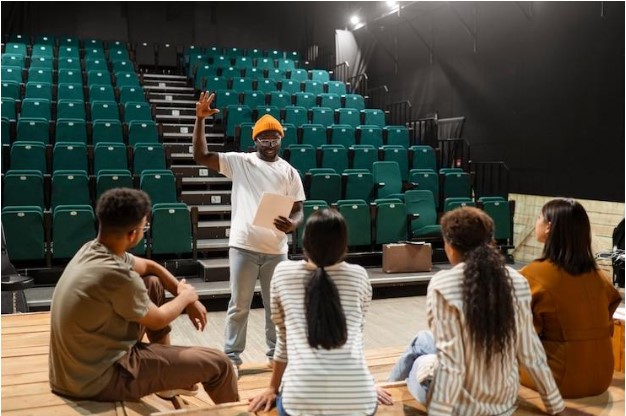
Schools for the performing arts are excellent learning institutions for those who dream of becoming future artists. They equip students with all the life tools and skill sets they will carry through college and beyond. Students are prepared to manage multiple projects, explore life-enriching art opportunities, learn to live independently, and become artistic citizens who play roles in community development. This can truly transform a career and the future of students. Here is a closer look at some reasons why attending a performing arts school can be a great lifetime achievement.
1. Build Strong Foundations with a Performing Arts School
Performing arts schools provide a strong foundation for individuals to develop personal growth, confidence, and creativity. They not only offer acting, singing, or dance courses but also a complete package to help a student become the best version of themselves. These schools have specialized programs, including private lessons and group classes in acting for TV and film, reading, on-camera techniques, commercials, vocal training, voice-over, and musical theater. A dedicated performing arts school enhances both talent and life skills with supportive mentorship so that students can thrive on stage, in auditions, and in everyday life.
2. Unlock Exciting Opportunities
Performing arts schools open doors to endless opportunities for students. They allow students to explore mock auditions, attend visits from guest artists, and tour various artistic departments, so students can make highly informed decisions for their future artistic careers. These schools also collaborate with global art organizations to improve students’ artistic skills and enable them to perform in front of large audiences. Students not only perform at their schools but also at various locations, showcasing their experience as performers.
3. Achieve College and Career Readiness
Performing arts schools best prepare students for auditions at major platforms. Students who attend these courses have the opportunity to enroll in top colleges, obtain high-end scholarships, or gain better conservatory options academically and artistically. These colleges collaborate with art faculties so students can stay on track and pursue their secondary plans. Students are prepared both on-camera and off-camera to develop strong work ethics and professionalism.
4. Collaborate and Learn with Peers
Artistic development undergoes a strong transition when different art forms are combined. When individuals work with professional mentors and their peers, they confront diverse perspectives, learn multiple artistic disciplines, and grow as performers. This prepares students for dynamic careers by teaching the true meaning of community and sharing their work with others. Many productions require musicians, actors, and dancers to collaborate for TV, film, or theater projects. This creates a strong community of talented professional artists.
5. Become an Artistic Citizen
Many inspiring students do not limit their artistry knowledge to themselves; they want to contribute their talent to society as artistic citizens. Art programs encourage young artists to play a role as cultural influencers and foster change in society as well as in their own art education. Students also learn to practice as artistic citizens to enhance their self-confidence and enrich the lives of their community. They enjoy fulfilling responsible roles and achieving lifetime accomplishments that give purpose and meaningful engagement.