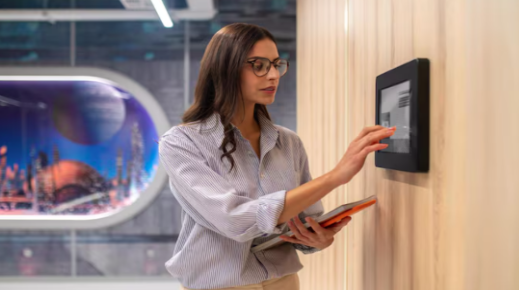
In an era where security challenges are increasingly complex, businesses must look beyond traditional locks and keys to protect their assets. Modern technology offers sophisticated solutions that provide not only physical safety but also operational efficiency.
Implementing robust access control systems is no longer a luxury for large corporations; it has become a fundamental necessity for organizations of all sizes. By transitioning to digital oversight, a business can create a secure environment that fosters productivity and professional integrity.
Enhanced Physical Security and Asset Protection
The primary function of any security measure is to prevent unauthorized entry. High-quality access control systems ensure that only vetted individuals can enter specific zones within a building.
Unlike mechanical keys, which can be easily duplicated or lost, digital credentials such as key cards, mobile apps, or biometric scans are much harder to compromise.
This level of precision protects sensitive areas like server rooms, executive offices, and inventory warehouses from internal and external threats, significantly reducing the risk of theft or vandalism.
Detailed Audit Trails and Real-Time Monitoring
One of the most powerful features of digital security is the ability to track movement. Advanced access control systems keep a detailed log of every entry and exit attempt, providing management with an undeniable audit trail.
In the event of an incident, administrators can quickly review the data to see who was in a specific location at a specific time.
This transparency not only aids in investigations but also acts as a powerful deterrent against workplace misconduct, as employees are aware that their movements are recorded.
Simplified Credential Management
Traditional key management can be a logistical nightmare, especially in businesses with high employee turnover. When a staff member leaves, a business using old-fashioned locks might need to rekey the entire facility to maintain security.
With modern access control systems, removing access is as simple as clicking a button in a software interface.
Credentials can be revoked instantly, and new ones can be issued without the cost and delay of physical locksmithing. This agility ensures that security remains tight even during rapid organizational changes.
Integration with Other Building Technologies
Security does not exist in a vacuum, and modern systems are designed to communicate with other infrastructure. Many organizations link their security protocols with lighting, heating, and cooling systems.
For example, when the last person leaves a zone and logs out through the security interface, the system can automatically turn off the lights and adjust the temperature.
This integration not only boosts security but also contributes to significant energy savings and a reduced carbon footprint for the company.
Eliminating the Risks of Lost Keys
Lost keys represent a massive vulnerability for any commercial establishment. A single misplaced master key can force a business to spend thousands on new locks and hardware.
Digital solutions eliminate this risk entirely. If an employee loses their access card, the card is simply deactivated in the system, rendering the physical piece of plastic useless to anyone who finds it.
This proactive approach to risk management provides business owners with peace of mind and prevents the cascading costs associated with physical security breaches.
Fostering a Professional and Safe Work Culture
Beyond the technical advantages, a visible and reliable security framework improves the morale of the workforce. Employees feel more comfortable and focused when they know their workplace is secure and that the company takes their safety seriously.
Furthermore, a modern entry system projects a professional image to visiting clients and partners. It demonstrates that the business is forward-thinking and committed to maintaining high standards of operational safety and data privacy across all departments.