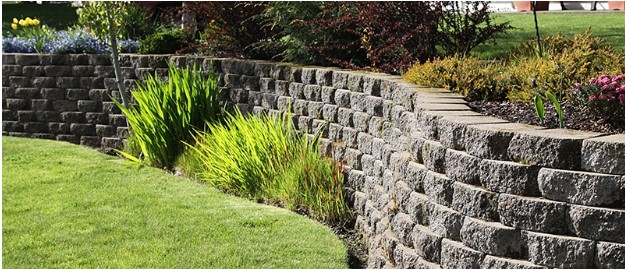
Retaining wall building plays an important role in construction and land development. It helps to hold soil in place and creates strong support for different types of land, especially on slopes. These walls are widely used in gardens, roads, and buildings to make land safer and more useful.
Retaining walls also improve the appearance of outdoor spaces while solving practical problems like soil movement and water flow. Understanding their advantages helps show why they are important in modern construction projects and property design.
Improved Soil Stability
One major advantage of retaining wall building is improved soil stability. Retaining walls hold soil firmly in place and prevent it from sliding or collapsing, especially on sloped land. This support makes the ground stronger and safer for construction activities.
Builders use these walls to create level areas where structures can be built without risk. Strong soil stability also reduces damage caused by shifting ground. As a result, properties become safer, more durable, and better prepared for long-term use.
Better Land Use
Retaining walls help improve land use by turning uneven or sloped ground into flat, usable spaces. This allows property owners to create gardens, parking areas, or building zones that would not be possible otherwise. By shaping the land more effectively, retaining walls make it easier to maximize available space.
This is especially useful in areas where land is limited. Better land use also increases functionality, making outdoor areas more organized, practical, and visually appealing for different needs.
Protection from Erosion
Another key advantage of retaining wall building is protection from soil erosion. Heavy rain and water flow often wash away soil, which can damage landscapes and weaken land structures. Retaining walls act as a barrier that holds the soil in place and reduces the impact of water movement.
This protection helps maintain the natural shape of the land over time. It also prevents costly damage to gardens, roads, and foundations. With erosion control, land remains strong and stable for longer periods.
Water Drainage Control
Retaining walls also improve water drainage control, which is important for maintaining healthy soil conditions. These walls are designed to guide water flow in a controlled way, preventing water from collecting in unwanted areas. Proper drainage reduces the risk of flooding, soil weakening, and structural damage.
It also helps protect plants and landscapes from excessive moisture. By managing water effectively, retaining walls support a cleaner and safer environment around homes, buildings, and outdoor spaces.
Increased Property Value
Retaining wall building can also increase property value by improving both function and appearance. A well-designed retaining wall makes land more usable and visually attractive, which adds to the overall appeal of a property.
Buyers often prefer properties that already have stable land and improved landscaping features. This makes retaining walls a smart long-term investment. They not only solve structural problems but also enhance curb appeal, making properties more desirable in the real estate market.
Conclusion
Retaining wall building offers many important advantages that improve land safety, usability, and appearance. It strengthens soil stability, prevents erosion, and helps manage water flow effectively. It also allows better use of space and increases property value.
These benefits make retaining walls an essential part of modern construction and landscaping. By providing both practical support and visual improvement, retaining walls create safer, more efficient, and more attractive outdoor environments for long-term use.