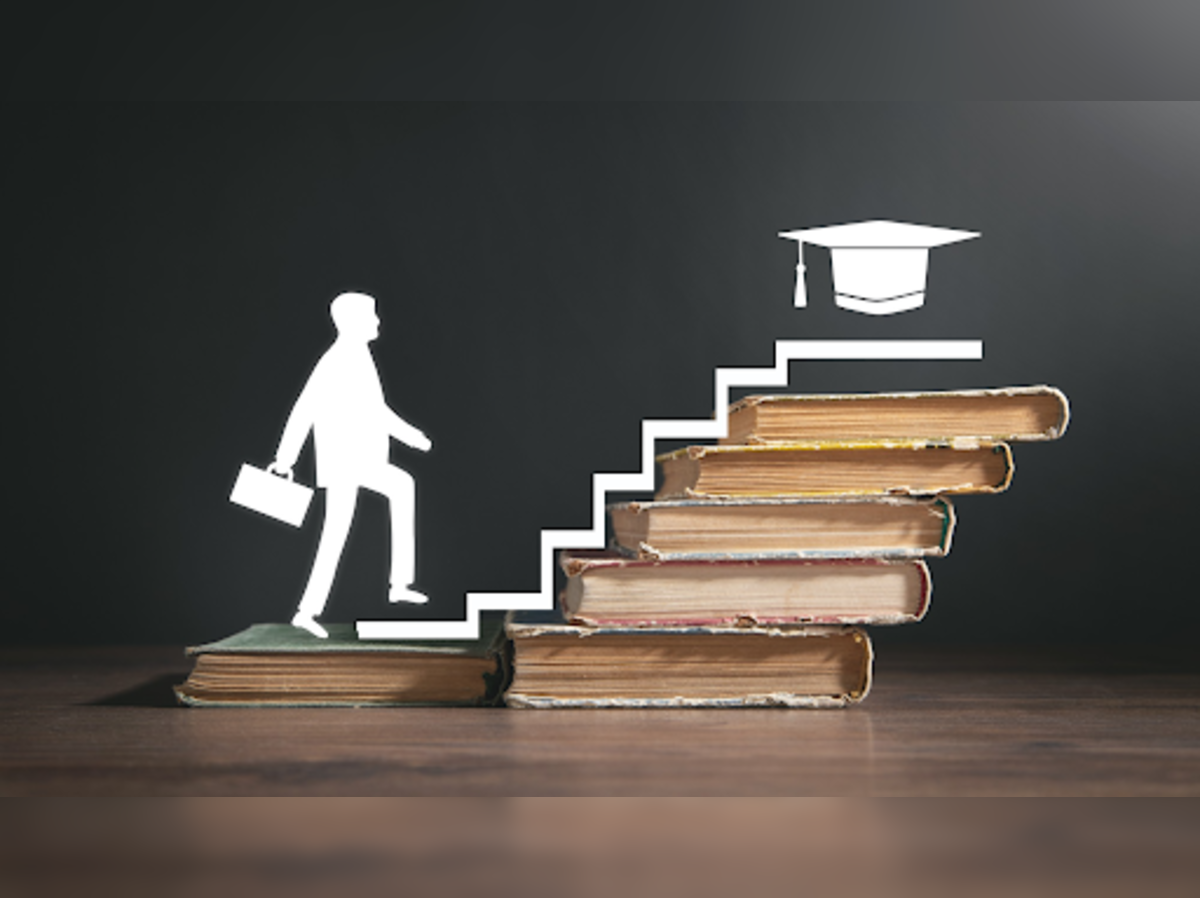
As the education system grows quickly, four main areas are becoming more important: Skill Development Courses, Academic Assessment, Inclusive Education, and Career Guidance. These four things work together to get students ready for real-world problems, make sure evaluations are fair, make things easier to get to, and help people advance in their careers over time. As technology, worldwide possibilities, and different learning demands change education, these things have become very important for making a modern and complete learning experience. For teachers, schools, and students who want to do well in school and in their careers, it’s crucial to know how each of these things helps students grow.
Skill Development Courses: Preparing for the Future
Skill Development Courses are more important than ever before. These classes teach you how to do things instead of just talking about them. They assist students develop skills that are important in today’s workplaces, like communication, problem-solving, critical thinking, digital literacy, coding, leadership, entrepreneurship, and project management.
In today’s cutthroat environment, having a degree doesn’t mean you’ll be successful. Skill Development Courses help students learn what they need to know for their jobs. They give students hands-on training, case studies from real life, and tasks that help them get ready for the workplace. Specialized skill classes help students keep up with the latest trends and gain knowledge that makes them more employable, whether they are studying technology, business, healthcare, the arts, or engineering.These classes are especially helpful for people who are young, employed, or changing careers. Skill Development Courses are now available to everyone because to the increasing growth of online platforms. This supports lifetime learning and constant improvement.
Academic Assessment: Making Sure of Quality and Progress
Academic assessment is very important for figuring out how well students are doing, what they need to learn, and where they may grow. It has tests, quizzes, homework, projects, presentations, and hands-on evaluations that allow teachers look at progress in an organized way.A solid Academic Assessment system makes ensuring that students are graded fairly, openly, and correctly. It tests not only theoretical knowledge but also practical abilities, inventiveness, and the capacity to solve problems. Modern ways of testing rely on ongoing evaluation instead of just final exams. This keeps pupils interested in the learning process and lowers stress.
Effective Academic Assessment gives you useful input as well. Students know what they are good at and what they need to work on, and teachers can change how they teach based on how well students do. Digital education has made Academic Assessment faster and more accurate by adding technologies like AI-powered analytics, online testing platforms, and automated grading systems. This makes learning faster and more tailored to each person.
Making Learning Open to Everyone: Inclusive Education
Inclusive education makes ensuring that all students, no matter their background, abilities, or problems, have the same access to a good education. It encourages fairness, respect, diversity, and equal opportunity in schools. Inclusive education helps kids with impairments, learning problems, cultural diversity, and low income.The purpose of Inclusive Education is to make the classroom a place where everyone feels welcome and appreciated. It includes specialized teaching methods, easy-to-find learning resources, qualified teachers, and technologies that may change to fit the needs of each student. Schools and other institutions that are open to everyone help students learn how to be empathetic, work together, and understand each other.
Modern schools are moving away from teaching that works for everyone and toward personalized learning. Inclusive education makes sure that all students, even those who need extra help, can learn at their own pace, take part in activities, and get help without being treated differently. Technology is making education more accessible than ever with the help of inclusive learning technologies like screen readers, audio classes, digital notes, and adaptive learning apps.
Career Guidance: Helping Students Plan for a Successful Future
Education gives people knowledge, and Career Guidance helps them apply that knowledge in the proper way. professional Guidance helps students choose the right professional options based on their abilities, interests, goals, and strengths. It has counseling, personality tests, aptitude tests, career courses, industry insights, and mentorship programs.It might be hard to choose the ideal job when there are so many options. Career Guidance is very important for helping students learn about job trends, the skills they need, what they can anticipate to make, and the future of certain fields. It gives pupils the power to make smart choices and steer clear of typical blunders when they plan their careers.
Career counselors also assist people get ready for interviews, write resumes, choose additional education, and improve their job-ready skills. Students get confidence, clarity, and direction in life when they get good career advice. It makes sure that they are ready for work as well as school.
How These Four Parts Work Together
Skill Development Courses, Academic Assessment, Inclusive Education, and Career Guidance all work together to make a complete and balanced education system. Each part helps the others, making a strong framework for learning.
- Skill Development Courses teach you useful skills.
- Academic Assessment looks at how well you do and how much you improve.
- Inclusive education makes ensuring that everyone has a fair chance and can get to school.
- Career Guidance helps students make plans for a future that matters.
They work together to make people well-rounded, confident, and able to do well in both their personal and professional lives. This all-around strategy gets students ready for the problems of the current world, encourages equality, and makes sure they will be successful in the long run.
What Will Happen to Modern Education
These four pillars will have a big impact on the future of education. Skill Development Courses will keep growing by adding new programs that help people get jobs. Academic Assessment will use advanced analytics to give each student feedback that is specific to them. Inclusive Education will become more effective as more regulations and technologies help students from different backgrounds. As job marketplaces around the world change quickly, career guidance will become more important.
Education will not only teach students academic information, but also how to be a better person, how to live, and how to get ready for a job. The use of digital tools, virtual classrooms, AI mentors, and hands-on learning will make the learning process more interesting and useful.
Conclusion
Skill Development Courses, Academic Assessment, Inclusive Education, and Career Guidance are not just parts of education; they are the strong bases that make for a good learning experience. Skill development makes people more capable, assessment makes sure they are making progress, inclusion makes sure everyone is treated equally, and career coaching gives people direction. They work together to make an education system that is up-to-date, useful, and ready for the future.