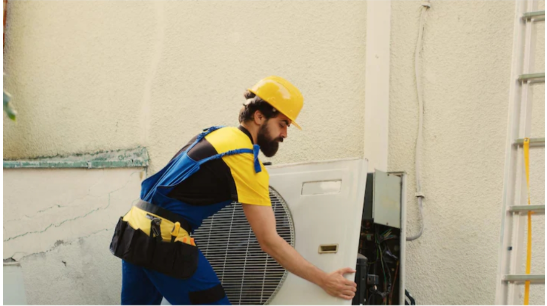
Comfort inside a home or workplace depends on systems that operate quietly in the background. Heating and cooling equipment regulates indoor air, manages humidity, and supports health through steady temperature control.
When these systems begin to fail, they don’t stop all at once. Instead, they send clear warnings that many people overlook until the situation becomes urgent and expensive. The following are 5 clear signs that indicate professional intervention and timely action are essential. Read on
Uneven or Unstable Indoor Temperatures
A well-functioning heating and cooling system maintains consistent temperatures throughout a building. When some rooms feel too warm while others remain cold, the system can’t distribute air properly. This imbalance develops slowly, making it easy to dismiss as a minor inconvenience.
Over time, however, temperature instability signals deeper mechanical or airflow issues that require skilled attention. When temperature swings become noticeable and frequent, professional assessment by a reliable hvac company becomes essential to restore balance and efficiency.
Rising Energy Bills
Energy costs provide valuable insight into system performance. When monthly utility bills increase without changes in usage habits, inefficiency is the cause. Heating and cooling equipment consumes more energy as components wear down or lose calibration.
This increased demand shows declining performance rather than external factors. Dirty coils reduce heat transfer efficiency, forcing the system to run longer to reach the desired temperature. Worn motors and failing compressors draw excess power while delivering reduced output.
Professional evaluation identifies the root causes of energy waste and restores proper operation. Early intervention not only stabilizes utility expenses but also extends equipment lifespan through timely corrections.
Persistent and Unusual System Noises
Every heating and cooling system produces some operational sound. Gentle humming or airflow movement is normal. Loud, sudden, or unfamiliar noises indicate mechanical problems that demand immediate attention. These sounds signal components under stress or nearing failure.
Grinding noises typically point to worn bearings or motor issues. Rattling sounds suggest loose panels, screws, or internal components. Banging or clanking may indicate problems with ductwork expansion or failing parts within the system.
Unusual noises can’t resolve on their own. Continued operation under these conditions accelerates wear and increases the risk of sudden breakdowns.
Poor Airflow and Declining Indoor Air Quality
Airflow consistency plays a role in maintaining comfort and health. Weak airflow from vents suggests blockages, failing fans, or duct problems that restrict proper circulation. When airflow diminishes, the system cannot regulate temperature effectively, leading to discomfort and uneven heating or cooling.
Declining air quality accompanies airflow issues. Excess dust and increased humidity levels signal that the system no longer filters and circulates air efficiently. These conditions may aggravate allergies, trigger respiratory discomfort, and promote mold growth in damp areas.
Professional evaluation identifies these issues and restores clean, balanced air distribution throughout the property.
Frequent Repairs
Occasional maintenance is expected with any mechanical system. When repair needs become frequent, however, the pattern indicates declining reliability. Repeated service calls for different components signal that the system approaches the end of its functional lifespan.
Professional assessment provides clear insight into whether continued repairs remain practical or if replacement offers better value.