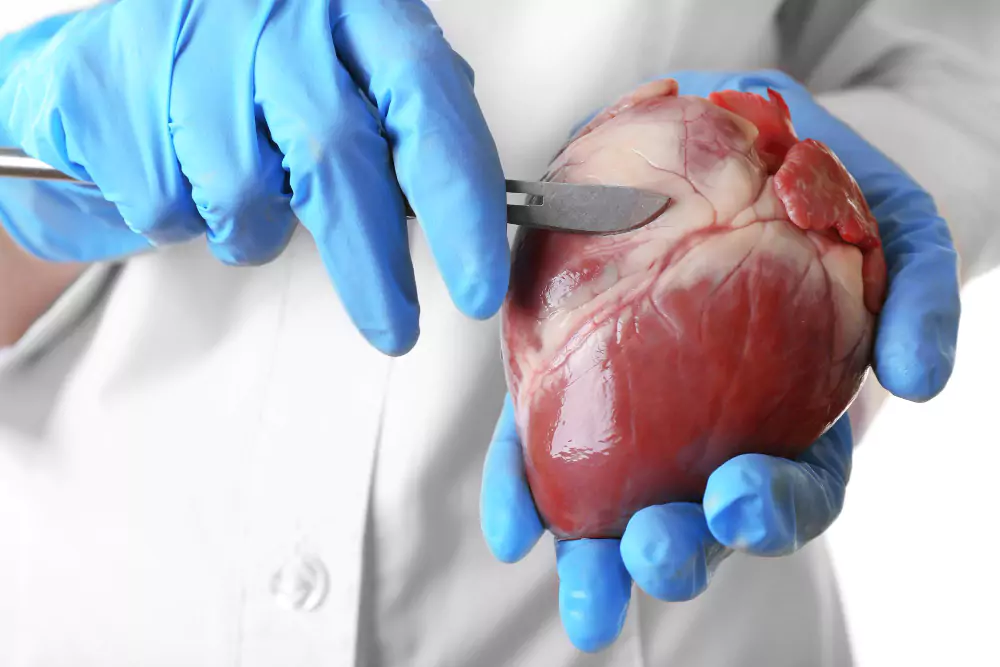
Heart has long been one of the most complex areas of medicine, requiring precision, expertise, and meticulous planning. Today, the landscape of cardiac surgery is evolving rapidly thanks to innovations in artificial intelligence (AI), robotics, and advanced medical devices. These technologies are transforming the way surgeons operate, reducing risks, enhancing precision, and improving patient outcomes. For patients and healthcare providers alike, understanding the impact of these advancements is key to appreciating how heart surgery has entered a new era of safety and efficiency.
The integration of AI, robotic systems, and specialized devices has shifted cardiac procedures from highly invasive operations to minimally invasive and more personalized interventions. Patients now experience shorter recovery times, fewer complications, and better long-term results. These innovations also empower surgeons with enhanced visualization, precise control, and real-time insights during procedures, making surgeries safer for patients across all age groups.
The Role of Artificial Intelligence in Heart Surgery
Artificial intelligence has become a transformative force in cardiovascular medicine. AI algorithms analyze vast amounts of data, including patient records, imaging scans, and procedural histories, to support surgical planning and decision-making. Machine learning can identify patterns that may not be immediately obvious, predicting complications, evaluating risks, and suggesting optimal surgical approaches tailored to each patient.
In heart surgery, AI aids in preoperative planning by providing 3D reconstructions of the heart, highlighting areas that require special attention, and simulating surgical outcomes. During surgery, AI-assisted monitoring systems continuously assess vital signs, alerting the surgical team to changes that may indicate complications. The ability of AI to process complex data in real time helps surgeons make informed decisions that reduce the likelihood of errors and improve patient safety.
Advancements in Robotic-Assisted Heart Surgery
Robotic systems have revolutionized the way cardiac surgeons perform procedures. Unlike traditional open-heart surgery, robotic-assisted surgery involves small incisions, precise instrumentation, and enhanced visualization. The surgeon operates from a console, controlling robotic arms that mimic their movements with high accuracy. This allows for delicate maneuvers that may be challenging with conventional techniques.
Robotic surgery provides several benefits to patients. Minimally invasive approaches reduce trauma to the body, lower the risk of infection, and shorten hospital stays. Precision instrumentation minimizes damage to surrounding tissues and reduces post-operative pain. Complex procedures, such as mitral valve repair, coronary artery bypass, and atrial septal defect closure, can now be performed with unprecedented accuracy, leading to improved long-term outcomes.
Advanced Imaging and Visualization Tools
Modern heart surgery relies heavily on advanced imaging technologies that complement AI and robotics. High-resolution 3D imaging, real-time echocardiography, and intraoperative CT or MRI allow surgeons to visualize the heart in extraordinary detail. These imaging tools provide a clear understanding of structural abnormalities, blood flow dynamics, and tissue characteristics, enabling precise surgical planning.
Combined with AI algorithms, imaging data can be transformed into interactive 3D models that guide the surgeon during procedures. This integration reduces uncertainty, helps avoid complications, and allows for personalized surgical strategies. Patients benefit from more accurate interventions and a lower likelihood of post-operative complications.
Innovative Cardiac Devices Enhancing Surgery
Medical devices play a pivotal role in shaping modern heart surgery. Devices such as ventricular assist devices (VADs), advanced heart valves, and implantable defibrillators are now integrated into surgical procedures with the aid of robotics and AI. These devices support patients with heart failure, valvular disease, or arrhythmias, improving survival rates and quality of life.
Minimally invasive delivery systems for devices like transcatheter heart valves allow surgeons to implant them without open-heart surgery. This reduces the risk associated with traditional procedures and enables patients who were previously considered high-risk to receive life-saving interventions. Continuous improvements in device design and materials are further enhancing durability, safety, and patient outcomes.
Enhancing Precision and Reducing Human Error
One of the most significant benefits of integrating AI, robotics, and advanced devices is the reduction of human error. Surgical procedures are inherently complex, and even minor deviations can impact outcomes. Robotic systems offer tremor-free precision, allowing surgeons to operate at a microscopic level with unmatched accuracy. AI assists in monitoring physiological parameters, predicting potential complications, and providing decision support in real time.
This synergy between human expertise and technology ensures that each surgical step is executed with optimal precision. Patients experience fewer complications, faster recovery, and improved long-term results compared to conventional surgical methods.
Personalized Surgical Planning and Patient-Centered Care
Every patient’s heart is unique, and personalized surgical planning has become a critical component of modern cardiovascular care. AI and 3D modeling allow surgeons to create customized surgical plans based on the patient’s anatomy, disease severity, and medical history. Robotic systems then execute these plans with precision, ensuring that interventions are tailored to the individual’s needs.
Personalized approaches extend beyond the operating room. Advanced monitoring, post-operative care plans, and rehabilitation strategies are customized to maximize recovery and long-term health. Patients benefit from procedures that are specifically designed for their condition, leading to improved outcomes and greater satisfaction.
The Impact on Recovery and Post-Operative Care
Minimally invasive and technology-assisted surgeries have transformed recovery timelines for cardiac patients. Smaller incisions and precise interventions mean less trauma to the body, reduced pain, and lower risk of infection. Hospital stays are shorter, and patients can often resume daily activities faster than after traditional open-heart surgery.
Advanced monitoring devices continue to support patients after discharge. Wearable sensors and remote monitoring systems track vital signs, heart rhythm, and activity levels, allowing healthcare providers to intervene early if complications arise. This continuity of care ensures that recovery is safer, more efficient, and more closely monitored.
Training and Skill Development for Surgeons
As heart surgery becomes increasingly technology-driven, surgeon training has also evolved. Simulation systems, virtual reality platforms, and AI-assisted training modules allow surgeons to practice complex procedures in a risk-free environment. Robotic surgery training programs help clinicians master the use of advanced instruments and integrate AI-guided insights into decision-making.
This emphasis on skill development ensures that surgeons are prepared to leverage the full potential of technology, providing patients with high-quality care and reducing the likelihood of procedural complications.
Future Directions and Emerging Innovations
The future of heart surgery promises even more groundbreaking advancements. Researchers are exploring fully autonomous surgical robots, AI-powered predictive analytics for early intervention, and bioengineered cardiac tissues for regenerative therapy. Integration with telemedicine and remote surgery platforms may allow expert surgeons to perform procedures across distances, expanding access to advanced cardiac care worldwide.
Emerging innovations in nanotechnology, smart implants, and precision pharmacology are also likely to redefine cardiovascular treatment. These technologies aim to provide highly targeted therapies, improve outcomes, and reduce the burden of long-term disease management.
AI, robotics, and advanced devices are shaping a new era in heart surgery, transforming patient care from invasive procedures to precise, minimally disruptive interventions. These technologies enhance surgical precision, reduce complications, shorten recovery times, and allow for highly personalized approaches to care. Patients now have access to treatments that were once considered too complex or high-risk, thanks to the integration of cutting-edge technology into cardiovascular medicine.
The future of heart surgery is defined by the collaboration between human expertise and technological innovation. Patients benefit not only from improved outcomes but also from enhanced safety, comfort, and recovery. By understanding and embracing these advancements, individuals seeking heart surgery can make informed decisions and experience care that is more precise, effective, and tailored to their unique needs.