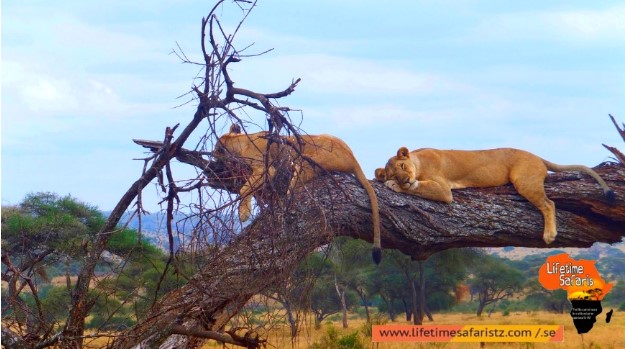
A Safari Tanzania experience is often described as the ultimate African adventure. With vast open plains, diverse ecosystems, and some of the world’s highest concentrations of wildlife, Tanzania has earned its reputation as one of the finest safari destinations on the planet. From the legendary Serengeti to lesser-known southern reserves, the country offers travelers a rare chance to witness nature in its purest form.
A safari in Tanzania is not only about seeing animals—it is about understanding ecosystems, appreciating conservation efforts, and experiencing landscapes that have remained largely unchanged for centuries.
The Global Appeal of Safari Tanzania
Tanzania’s appeal lies in its scale and authenticity. Unlike destinations where wildlife is confined to small reserves, Tanzania protects enormous tracts of land where animals roam freely across natural migration routes. This results in more dynamic and genuine wildlife encounters.
Reasons Safari Tanzania stands out internationally include:
- Vast national parks with minimal fencing
- Exceptional wildlife density and diversity
- Long-standing conservation policies
- Experienced safari guides and rangers
- A balance between tourism and environmental protection
For travelers seeking a true African safari, Tanzania remains unmatched.
Tanzania’s Most Renowned Safari Regions
Serengeti National Park
The Serengeti is synonymous with Safari Tanzania. Famous for its sweeping savannahs and endless horizons, the park supports an extraordinary number of animals year-round.
Its most celebrated event is the Great Migration, where millions of wildebeest, zebras, and antelope move in a circular journey driven by rainfall and grazing needs. This phenomenon creates intense predator-prey interactions and unforgettable wildlife scenes.
The Serengeti is also one of the best places in Africa to observe large predators, making it a must-visit destination.
Ngorongoro Conservation Area
The Ngorongoro Crater is a natural wonder and a key highlight of any Safari Tanzania itinerary. Formed by a volcanic collapse, the crater floor hosts a remarkably dense wildlife population within a compact area.
Visitors frequently encounter:
- Lions and hyenas
- Elephants and buffalo
- Endangered black rhinoceros
The dramatic scenery combined with exceptional wildlife viewing makes Ngorongoro a truly unique safari destination.

Tarangire National Park
Tarangire National Park is particularly famous for its impressive elephant populations and iconic baobab trees. During the dry season, animals congregate around the Tarangire River, offering excellent viewing opportunities.
Compared to more famous parks, Tarangire is less crowded, providing a quieter and more intimate Safari Tanzania experience.
Lake Manyara National Park
Lake Manyara National Park offers diverse habitats within a relatively small area. Dense groundwater forests, open grasslands, and alkaline lakes support a wide variety of wildlife.
The park is best known for:
- Tree-climbing lions
- Large baboon troops
- Exceptional birdlife
It is often included as part of Tanzania’s northern safari circuit.
Southern Tanzania: Ruaha and Nyerere National Park
Southern Tanzania offers a more remote safari experience. These vast wilderness areas receive fewer visitors but provide exceptional wildlife encounters.
- Ruaha National Park is known for rugged landscapes and strong predator populations
- Nyerere National Park offers boat safaris, walking safaris, and expansive untouched wilderness
These parks are ideal for travelers seeking exclusivity and adventure.
Wildlife Diversity on Safari Tanzania
Tanzania supports one of Africa’s richest wildlife populations. A safari can include sightings of:
- The Big Five: lion, elephant, leopard, buffalo, rhinoceros
- Cheetahs and African wild dogs
- Giraffes, zebras, and multiple antelope species
- Crocodiles and hippos in rivers
- Over 500 species of birds
The country’s varied ecosystems ensure constant changes in scenery and wildlife encounters.
Different Safari Styles in Tanzania
Classic Vehicle Safaris
Game drives in specially equipped 4×4 vehicles form the core of Safari Tanzania. Guided by professionals, these drives allow close observation of animals while maintaining safety and ethical standards.
Walking Safaris
Walking safaris offer a slower, more educational experience. Guided by trained rangers, guests learn about animal tracks, plants, and the smaller details of the ecosystem.
Boat Safaris
Available in select parks, boat safaris provide a unique perspective on wildlife, particularly hippos, crocodiles, and water birds.
Cultural Experiences
Tanzania is home to many ethnic groups, including the Maasai. Cultural visits offer insight into traditional ways of life, adding depth and meaning to a Safari Tanzania journey.

Best Time to Experience Safari Tanzania
Safari Tanzania is a year-round destination, but the experience varies by season.
Dry Season (June to October)
- Best time for wildlife viewing
- Easier animal spotting due to sparse vegetation
- Ideal for migration river crossings
Green Season (November to March)
- Lush landscapes and dramatic skies
- Fewer tourists and better value
- Excellent birdwatching and calving season
Choosing the right time depends on personal preferences and travel goals.
Safari Accommodation Options
Tanzania offers accommodation options to suit all budgets and travel styles:
- Luxury lodges with panoramic views and premium services
- Tented camps that provide comfort close to nature
- Mid-range lodges ideal for families and small groups
- Budget camps for adventurous travelers
Many safari lodges emphasize sustainability and community involvement.
Conservation and Ethical Tourism
Safari Tanzania plays a critical role in wildlife conservation and local development. Tourism revenue supports protected areas, anti-poaching initiatives, and community projects.
Responsible travel practices include:
- Respecting wildlife and maintaining safe distances
- Supporting eco-friendly lodges
- Engaging respectfully with local cultures
Ethical tourism ensures that Tanzania’s natural heritage remains protected.
Conclusion: The Enduring Magic of Safari Tanzania
A Safari Tanzania experience is more than a holiday—it is a journey into one of the world’s most extraordinary natural environments. With iconic landscapes, abundant wildlife, and a strong conservation ethos, Tanzania offers a safari that is both thrilling and deeply meaningful.
From the vast Serengeti plains to the unique Ngorongoro Crater and the remote wilderness of the south, Safari Tanzania delivers unforgettable moments and lasting memories. It remains one of Africa’s most remarkable travel destinations.
Key Takeaways
- Safari Tanzania is one of the world’s premier wildlife experiences
- Home to iconic parks like the Serengeti and Ngorongoro
- Offers year-round safari opportunities
- Suitable for luxury, mid-range, and budget travelers
- Strong focus on conservation and sustainability
Frequently Asked Questions (FAQ)
1. Is Safari Tanzania suitable for first-time safari travelers?
Yes. Tanzania’s well-developed safari infrastructure and experienced guides make it ideal for beginners.
2. How long should a Safari Tanzania trip last?
Most travelers choose between 5 and 10 days to explore multiple parks comfortably.
3. Is Tanzania safe for safari tourism?
Yes. Safaris are professionally guided, and national parks maintain strict safety standards.
4. What should travelers pack for Safari Tanzania?
Light, neutral-colored clothing, comfortable shoes, sun protection, binoculars, and a camera are recommended.
5. Can Safari Tanzania be combined with other experiences?
Yes. Many visitors combine a safari with Zanzibar beach holidays or Mount Kilimanjaro trekking.